Amid this noise and confusion, SolarAfrica stands out as an illuminating example of how integrated in-house expertise can deliver real value to customers. With over a decade of experience, the company has built a solid track record across a range of complex projects – from rooftop and ground-mounted systems to large-scale battery and wheeling solutions for commercial and industrial companies.
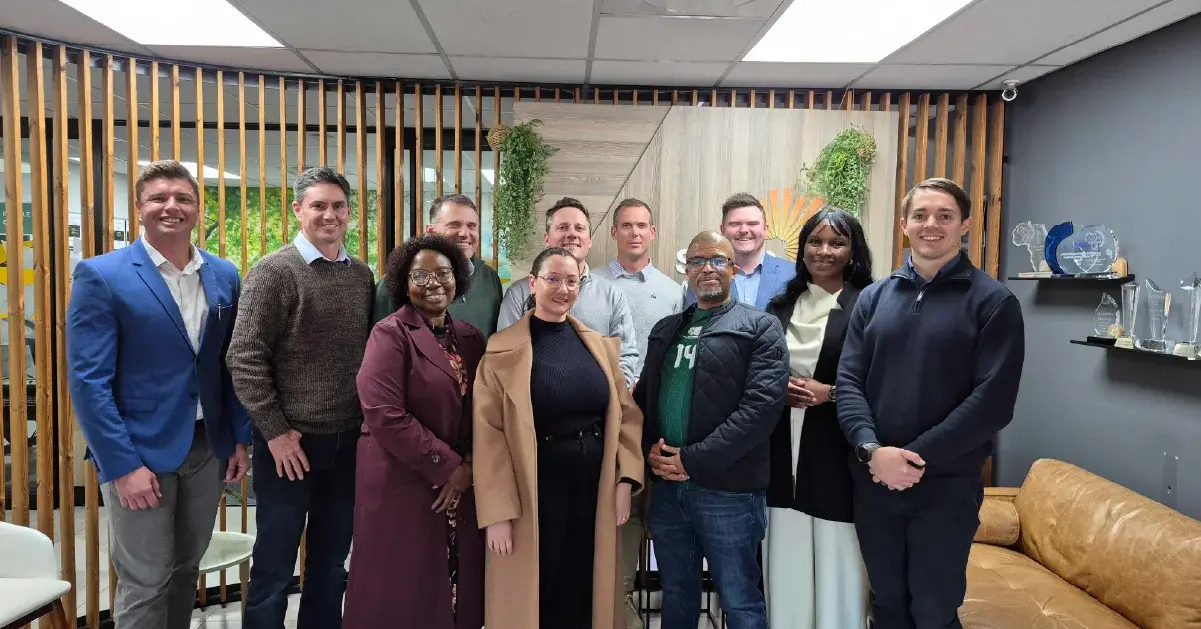
“Where many providers outsource key functions, we manage everything in-house – from legal and environmental to compliance, asset management and customer experience.
“This integrated model ensures every team shares the same standards, timelines and accountability.”
One of the company’s key differentiators is its utility project development division. These experts are dedicated to developing and operating large-scale renewable energy projects that supply clean power to the national grid and commercial off-takers via wheeling agreements. This includes projects such as the company’s flagship solar farm SunCentral, with a total 1GW capacity.
Running parallel to this function is SolarAfrica’s legal, environmental and compliance teams, which focus on key aspects of both utility-sized projects and the traditional on-site solar and battery systems.
SolarAfrica’s business development team is focused on innovation, constantly analysing customer pain points and the energy landscape to stay ahead of the curve. “With energy regulations changing constantly, you need a partner who’s not just responding, but proactively anticipating what’s next.”
Another common execution risk is poor system design. “We’ve seen systems that look good on paper but are oversized, non-compliant or underperforming. That’s usually because the design was rushed or outsourced.” At SolarAfrica, every project begins with in-house technical and engineering teams conducting site visits, modelling data, and tailoring the solution to the client’s energy profile.
Horn says that it’s important to SolarAfrica that it owns every stage of the project lifecycle. “We don’t walk away once the panels are up. We stay accountable for the system’s performance over its full lifespan,” he says.
With additional expertise stretching across sales, finance, marketing, operations, IT and people operations, to name a few, the company has a solid base of professionals to support all aspects of the business. “When everyone has the same heartbeat, you get consistency in delivery and quality.”