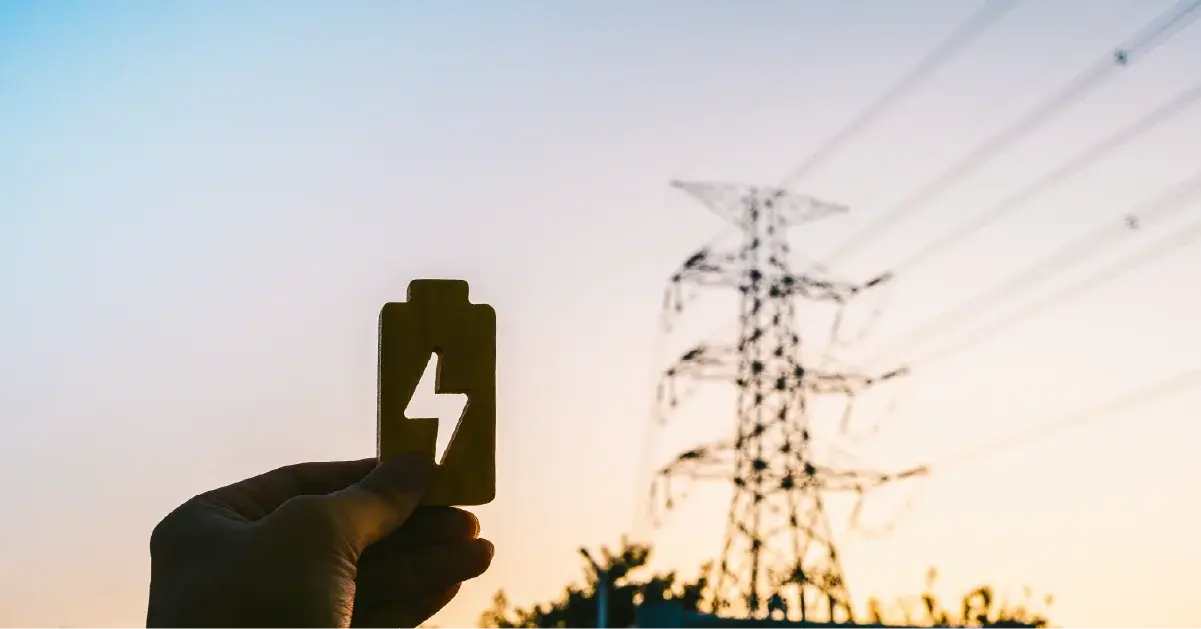
Ongoing electricity price increases are costing businesses upward of R2 million per year extra
Rooftop solar on its own isn’t enough to combat rising costs anymore
Businesses can pair other renewable energy innovations like battery storage, electricity Wheeling and energy trading with solar for supercharged monthly savings
The recently-announced 8.8% tariff increase for Eskom-direct customers may sound manageable on paper, but in reality, the impact for commercial and industrial (C&I) users is far more severe. Our modelling shows that a large electricity user consuming around 1,000,000 kWh per month could see annual business electricity costs climb by roughly R2.17 million,based on the estimated consumption for typical consumers in this range.
But the headline percentage doesn’t tell the full story. The burden on businesses is not driven by energy charges alone; rising peak tariffs and time-of-use (TOU) structures are doing much of the heavy lifting, while fixed and legacy charges continue to push bills higher. Using the same parameters, our modelling shows that peak charges alone could increase by almost 60c per kWh during high-demand winter months, with a 24/7 operation potentially paying an extra R200,000 per month over that period.
This means that owning solar panels is no longer the primary lever for savings – control and flexibility are. Businesses that actively manage when they use power, where it comes from, and how it’s sourced are far better positioned to achieve energy cost reduction strategies and protect themselves against future tariff shocks.
Here are four ways businesses can cut their power costs:
1. Batteries aren't just for backup anymore
For many businesses, a battery energy storage system (BESS) has traditionally been viewed as insurance – something you install to manage the impact of loadshedding. But today, their role has evolved to that of a financial tool, enabling electricity tariff optimisation by allowing companies to store electricity when it’s cheap and use it when it’s expensive.
Avoid Eskom’s most expensive hours: Charge during off-peak or standard periods and discharge during morning and evening peaks where tariffs are higher
Works even without rooftop solar: Arbitrage relies on tariff spread (not generation), making it viable for constrained sites or heavy night-time users
Daily, repeatable savings: This approach creates value every day, compounding into significant annual reductions
Batteries allow companies to be savvy in when they use power, avoiding peak times and thus reducing exposure to the most punitive parts of the tariff structure.
2. Still use solar (just not your own)
While rooftop solar has its place, it’s not always viable for large energy users with space or capex constraints. This has driven increased interest in solar alternatives for businesses that don’t require asset ownership.
That’s where electricity wheeling comes in. Instead of generating power on-site, businesses can access electricity from utility-scale solar farms and receive it via the grid.
Simplified access: Wheeling enables businesses to access utility-scale solar without owning assets, making it one of the most effective no capex solar solutions available
Scale matters: Projects like SunCentral solar farm (with SunCentral 1 alone covering around 500,000 solar panels) and SolarAfrica’s 3GW development pipeline enable sizeable load displacement for energy-intensive customers
Long-term price certainty: Wheeled power purchase agreements (PPA electricity South Africa) lock in predictable pricing, supporting energy cost certainty and insulating businesses from ongoing above-inflation tariff increases
3. Top up solar with virtual power
As beneficial as solar is, it is important to understand that when used in isolation, it has its limitations. It doesn’t fully cover early mornings, evenings, or winter peaks, which is exactly when tariffs are typically highest.
This is where energy trading comes into play. By combining wheeling with trading, businesses can access a broader mix of renewable energy for businesses, extending clean power into more hours of the day.
Extend clean power into peak hours: Generation from sun-rich regions remains available later into morning and evening peaks than rooftop systems allow
Blend multiple sources: Trading enables access to wind and other generation types, supporting partial night-time coverage
Decrease reliance on the national grid: A combined energy wheeling and trading approach allows businesses to source a far greater share of their total demand from private generation
4. The best energy mix for your business: Think diversification and optimisation
The biggest savings don’t come from any one solution – they come from how the pieces work together.
Batteries manage when you use power. Wheeling changes where it comes from. Trading diversifies how it’s produced. When combined, these three components create a green energy mix or system that is both resilient and cost-efficient, forming a more holistic and sustainable energy solution.
Optimise across time, source and location: A coordinated approach reduces exposure to peak pricing and cost increases, reducing business electricity bills
Designed around your load profile: Solutions are modelled against actual usage patterns, tariffs and operating hours
Lower risk, higher certainty: A diversified energy strategy helps hedge against tariff hikes, diesel reliance and infrastructure constraints
In short, this is where your energy strategy moves from cost-saving to risk management.
Your one source for expert advice, groundbreaking trends and actionable answers to all your energy-related questions.